

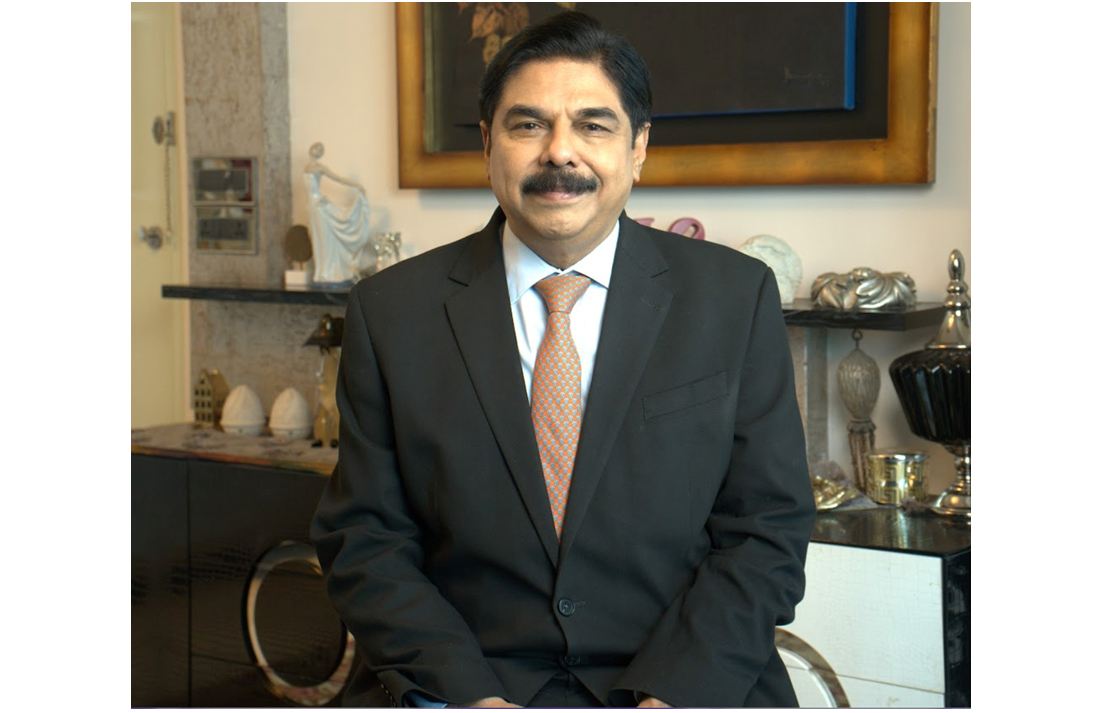
Over the last four decades, reproductive medicine in India has evolved from a highly specialised medical service available in only a handful of institutions to a sophisticated field supported by advanced laboratory science, regulatory oversight and growing public awareness. Among the clinicians who have influenced this transformation is Dr. Hrishikesh Pai, whose work spans clinical practice, medical education, policy advocacy and professional leadership.
India’s fertility landscape has changed dramatically since the country’s first successful in-vitro fertilisation (IVF) births in the 1980s. Advances in embryology, genetics and minimally invasive reproductive techniques have improved treatment outcomes, while increasing infertility awareness has encouraged more couples to seek medical support. Alongside these scientific developments, senior clinicians have played an important role in establishing ethical standards, training specialists and advocating for evidence-based reproductive care.
Dr. Pai’s career reflects many of these broader developments. Trained as an obstetrician and gynaecologist before specialising in reproductive medicine, he has contributed to expanding access to assisted reproductive technologies (ART) through clinical practice as well as through academic initiatives. Over the years, he has participated in the introduction of newer IVF protocols, embryo culture techniques and fertility preservation practices in India.
Beyond patient care, Dr. Pai has been closely associated with several professional medical bodies. Leadership positions within organisations dedicated to obstetrics, gynaecology and reproductive medicine have enabled him to contribute to continuing medical education, consensus-building and knowledge sharing among fertility specialists. Such forums have been instrumental in standardising treatment protocols and encouraging responsible clinical practices across the country.
According to reproductive endocrinologists, one of the defining characteristics of India’s fertility sector has been the rapid pace of technological adoption. Innovations such as preimplantation genetic testing, time-lapse embryo imaging and fertility preservation have increasingly become part of clinical practice. Experts note that widespread adoption of these technologies required experienced clinicians who could balance innovation with patient safety and ethical considerations.
Medical educators also point to the importance of mentorship within reproductive medicine. Training embryologists, fertility specialists and young gynaecologists has become increasingly important as demand for infertility treatment continues to grow. Senior clinicians, including Dr. Pai, have frequently participated in scientific conferences, educational workshops and academic discussions designed to strengthen clinical standards across India.
The field has also witnessed significant policy changes. Greater regulation through the Assisted Reproductive Technology (Regulation) Act and related legislation has introduced formal registration requirements, ethical safeguards and operational standards for fertility clinics. Many clinicians who have spent decades in the field contributed their expertise during consultations and public discussions surrounding these regulatory frameworks.
Healthcare analysts observe that India’s fertility sector today represents a combination of advanced medical science and increasing accessibility. Rising awareness of infertility, delayed parenthood, lifestyle-related reproductive challenges and improving success rates have all contributed to sustained growth in assisted reproduction.
Independent experts believe the future of reproductive medicine will increasingly focus on personalised fertility treatment, artificial intelligence-assisted embryo selection, reproductive genetics and improved fertility preservation strategies. However, they also emphasise that technological progress must continue alongside patient counselling, transparency and ethical governance.
Within this evolving landscape, Dr. Hrishikesh Pai’s career illustrates how sustained clinical practice, academic engagement and institutional leadership can collectively influence the development of an entire medical specialty. Rather than being defined by a single breakthrough, his contribution reflects decades of participation in building India’s reproductive medicine ecosystem through patient care, professional education and collaboration with the broader medical community.


