
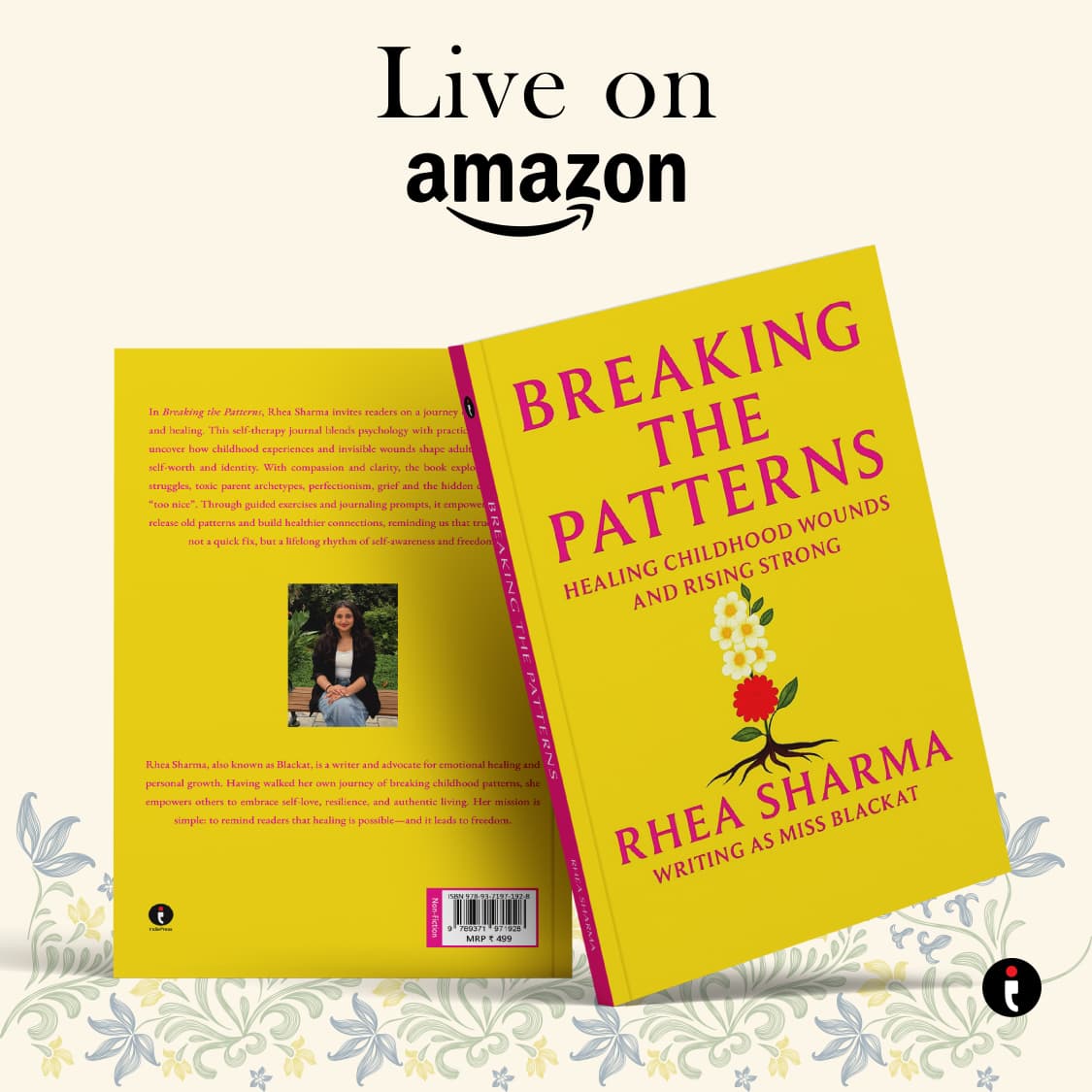
In Breaking the Patterns, writer and emotional healing advocate Rhea Sharma, known as Miss Blackat, presents a deeply reflective self-therapy journal focused on mental health, emotional awareness, and healing childhood wounds. Drawing from personal experience, the book explores how early conditioning, unspoken grief, and invisible emotional wounds shape adult behaviour, relationships, and self-worth.
At a time when burnout, anxiety, and emotional disconnection are increasingly common, Breaking the Patterns encourages readers to slow down and look inward with compassion rather than judgment. Through guided exercises and journaling prompts, the book offers a thoughtful alternative to quick-fix self-help narratives—emphasising that healing is a process rooted in understanding, not perfection.
Q1: Can you provide an overview of your book and how it addresses key challenges in the world today?
Breaking the Patterns is a self-therapy journal rooted in mental health awareness and emotional healing. It grew from my personal experiences and observations of how many of us navigate life feeling anxious, disconnected, or emotionally exhausted—often repeating childhood patterns without realising it.
The book highlights how early conditioning and hidden emotional wounds influence adult behaviours such as perfectionism, people-pleasing, anxiety, and difficulty setting boundaries. In today’s fast-paced world, where emotional burnout is common, this journal invites readers to pause, reflect, and build self-awareness without judgment.
Q2: What inspired you to write this book, and what experiences do you bring to the subject?
This book was inspired by my own mental health journey, which began at age 15 and unfolded over 11 years. I explored multiple approaches, including medication and meditation, but the most transformative shift came from recognising the patterns my mind repeated and consciously challenging them.
While I am not a psychologist or counsellor, I bring lived experience, personal insight, and practical tools that supported my healing. My aim was to create a resource that helps others recognise their own patterns and begin breaking them.
Q3: What key insights can readers expect to take away from the book?
One of the most important messages is that readers are not alone. Despite digital connectivity, many people experience deep mental isolation. The book reinforces that healing is possible and that mental health struggles do not define the end of one’s story.
Readers gain practical guidance to recognise emotional patterns, develop self-awareness, and take conscious steps toward healthier choices and personal freedom.
Q4: Are there real-life examples included in the book?
Yes. The examples shared are drawn from my personal experiences, particularly around boundary-setting with family and the long-term impact of unhealed childhood trauma. These stories illustrate how awareness and intentional change can lead to meaningful emotional growth.
Q5: What challenges did you face while writing this book?
The greatest challenge was being completely honest and vulnerable. Sharing personal experiences publicly requires courage, but staying focused on the purpose of the book—to help others recognise and heal their own patterns—made it possible to write with authenticity.
Q6: What impact do you hope this book will have on readers?
This is not a quick-fix or overly optimistic self-help guide. It reflects real-life emotional struggles and encourages readers to feel seen and understood. I hope it gives readers the confidence to set boundaries, say no without guilt, and make choices that prioritise their well-being.
Q7: How does the book remain relevant in a changing world?
Mental health challenges transcend generations. While technology and societal pressures evolve, emotional patterns remain human and universal. The book focuses on these timeless themes, making it relevant for readers at any stage of life.
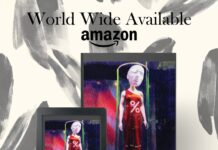
Available now on amazon today — a reflective guide for those ready to understand themselves and rise stronger.