

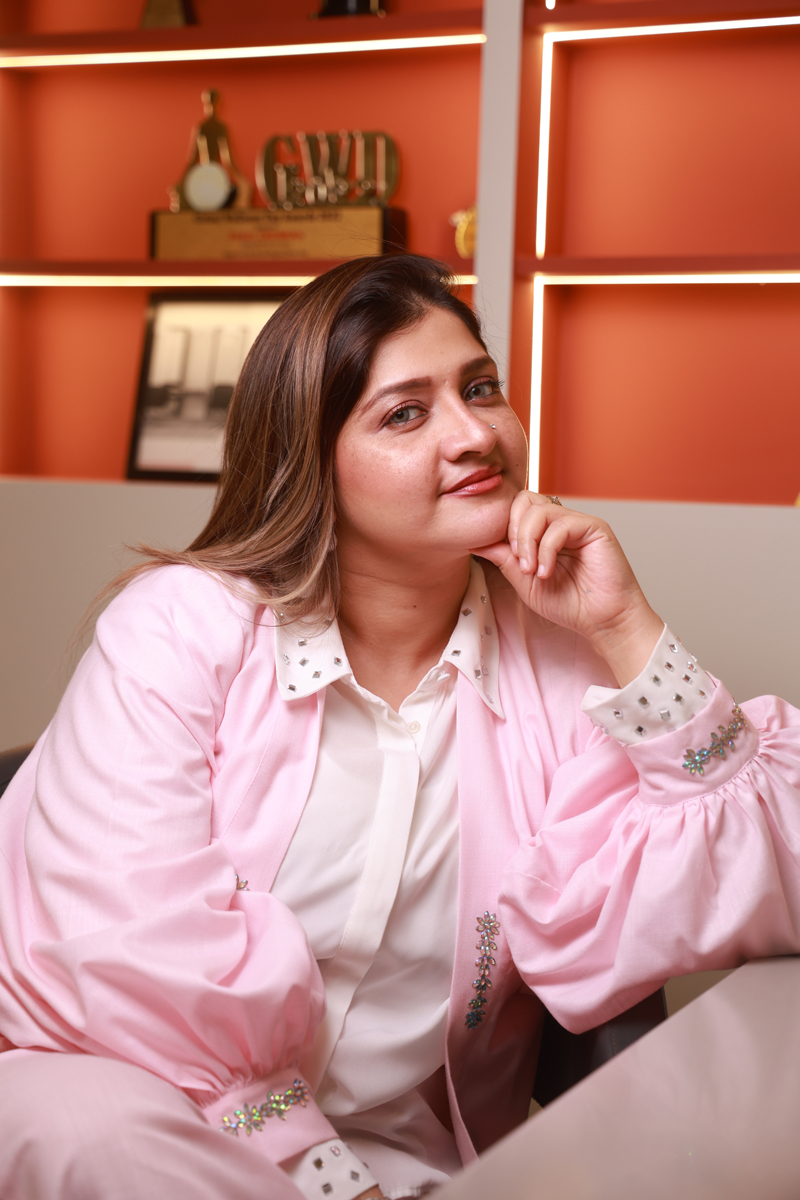
In the last few years, India’s salon industry has seen a surge of celebrity-backed ventures. Big names, glossy launches, viral announcements — and instant visibility. But according to Qurat Syed Deshmukh, Co-Founder of Lemon Salon, visibility alone doesn’t build longevity.
“Fame can bring people to the door once,” she says. “But it doesn’t decide whether they come back.”
Star Power vs Staying Power
Celebrity salons often begin with a strong advantage — attention. However, Qurat believes that attention is frequently mistaken for trust.
“In the salon business, clients don’t return because of who endorsed the brand. They return because the experience was consistent, predictable, and reliable.”
She points out that many celebrity-led ventures rely heavily on personality-driven appeal, without investing equally in backend systems. As a result, service quality varies, teams feel directionless, and scalability becomes fragile.
Why Fame Doesn’t Equal Retention
One of the biggest myths in the beauty industry, Qurat says, is that association with a famous name guarantees loyalty — from both clients and staff.
“Stylists don’t stay because a brand is famous. They stay because there’s structure, growth clarity, and operational stability.”
Without standard operating procedures, regular training, and strong leadership pipelines, even the most talked-about salons struggle with inconsistency. And inconsistency, in a service-led business, is the fastest way to lose trust.
The Invisible Backbone of Successful Salons
While front-end glamour dominates conversations, Qurat emphasises the importance of what clients never see — SOPs, training modules, performance reviews, service protocols, and quality checks.
“Processes aren’t restrictive,” she explains. “They’re what allow creativity to scale without chaos.”
At Lemon Salon, systems are designed to ensure that a client walking into any branch receives the same standard of service — regardless of location or stylist.
“That’s how trust is built — quietly, repeatedly, and over time.”
Why Process-Driven Brands Will Win
As the Indian beauty consumer becomes more informed, expectations are shifting. Clients are no longer impressed by hype alone. They want reliability, hygiene standards, skilled professionals, and transparency.
“The next phase of growth will belong to salons that run like businesses, not personalities,” Qurat says.
Process-driven salons, she believes, are better equipped to train talent, handle expansion, and survive market fluctuations. They don’t collapse when one star stylist leaves or when attention moves elsewhere.
The Industry’s Inevitable Evolution
Qurat is clear — celebrity involvement isn’t the problem. The problem is building brands that depend solely on it.
“Celebrity salons that invest in systems will survive. Those that don’t will slowly fade once the novelty wears off.”
In the next five years, she predicts a clear divide: salons built on structure, culture, and consistency — and those built on momentary buzz.
“In beauty, trust outlives fame,” she concludes. “And trust is always built on process.”