
India’s luxury market is evolving, and the change is becoming visible not only in fashion and hospitality, but also inside homes. Across urban India, consumers are increasingly moving beyond factory-produced decor and mass-manufactured interiors, showing growing interest in handcrafted products that combine aesthetics, authenticity, and individuality.
This shift is contributing to the rapid rise of India’s handmade luxury economy, where artisanal brands are finding renewed relevance among modern consumers seeking more meaningful and design-driven living experiences.
Within this changing landscape, brands like Wood Mega Mart are emerging as part of a larger movement that is reshaping how handcrafted Indian decor is positioned in the modern era.
For decades, handcrafted wooden products were largely associated with traditional markets and regional craftsmanship clusters. While India has always had a deep legacy of artisanal woodwork, many handcrafted businesses remained confined to offline retail or export-driven supply chains without developing strong lifestyle branding or digital visibility.
However, consumer behaviour has changed dramatically over the last few years.
Today’s generation of buyers is increasingly influenced by interior aesthetics, social media inspiration, and personalised lifestyle experiences. Platforms such as Instagram and Pinterest have transformed home decor into a highly visual and aspirational category, where consumers actively seek products that feel timeless, artistic, and emotionally connected to their spaces.
Industry analysts note that modern consumers are no longer purchasing home decor solely for functionality. Instead, they are investing in products that reflect identity, taste, craftsmanship, and storytelling.
This behavioural shift has created significant opportunities for handcrafted decor brands capable of combining traditional artistry with contemporary design language.
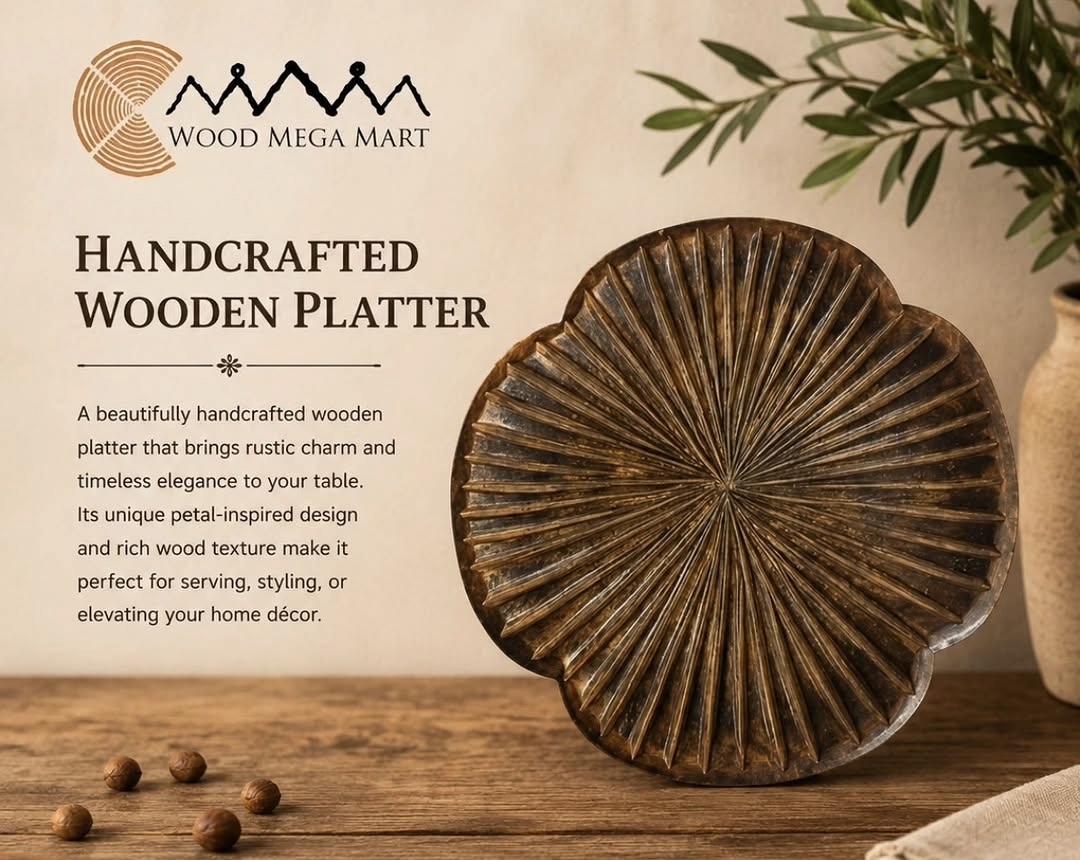
Wood Mega Mart, based in Saharanpur, reflects this evolving category of modern Indian craftsmanship brands. The company operates within one of India’s most historically recognised hubs for wooden handicrafts, a city known globally for its intricate wood artistry and artisan ecosystem.
What distinguishes newer brands in this space is not just craftsmanship itself, but the way craftsmanship is being presented to modern audiences.
Wood Mega Mart’s product styling, digital presentation, and visual identity align closely with contemporary luxury decor trends that prioritise earthy aesthetics, handcrafted detailing, and minimalist sophistication. Rather than positioning wooden creations as conventional handicrafts, the brand appears focused on integrating artisanal products into modern interior lifestyles.
This transition is important because India’s luxury market itself is becoming more experience-driven.
Consumers today are increasingly drawn toward authenticity and craftsmanship over heavily commercialised products. Handmade items carry a sense of uniqueness that machine-made products often fail to replicate. In an age of mass production, handcrafted luxury offers emotional value alongside functionality.
The demand for artisanal decor has also been strengthened by the growing influence of conscious consumerism. Buyers are becoming more appreciative of craftsmanship, sustainable materials, and products that preserve cultural artistry while adapting to modern design sensibilities.
Industry experts believe this trend is contributing to the emergence of a new generation of Indian luxury brands built around heritage, storytelling, and aesthetic identity.
The growth of India’s premium home decor sector is further accelerating this shift. Rising disposable incomes, increasing interest in personalised interiors, and post-pandemic lifestyle changes have encouraged consumers to invest more heavily in home environments that feel visually expressive and emotionally comforting.
As a result, handcrafted decor is no longer viewed as niche or traditional. It is increasingly entering premium and aspirational lifestyle spaces.
For brands like Wood Mega Mart, this creates an opportunity far larger than product sales alone. It positions them within a broader cultural and design movement where Indian craftsmanship is being rediscovered through the lens of modern luxury.
Industry observers suggest that the future of India’s handmade luxury market will likely belong to brands capable of balancing heritage craftsmanship with contemporary storytelling, digital visibility, and design relevance.
In many ways, the rise of companies like Wood Mega Mart reflects something deeper than changing decor trends. It reflects a renewed appreciation for artistry, individuality, and the enduring value of handcrafted experiences in a rapidly industrialised consumer economy.