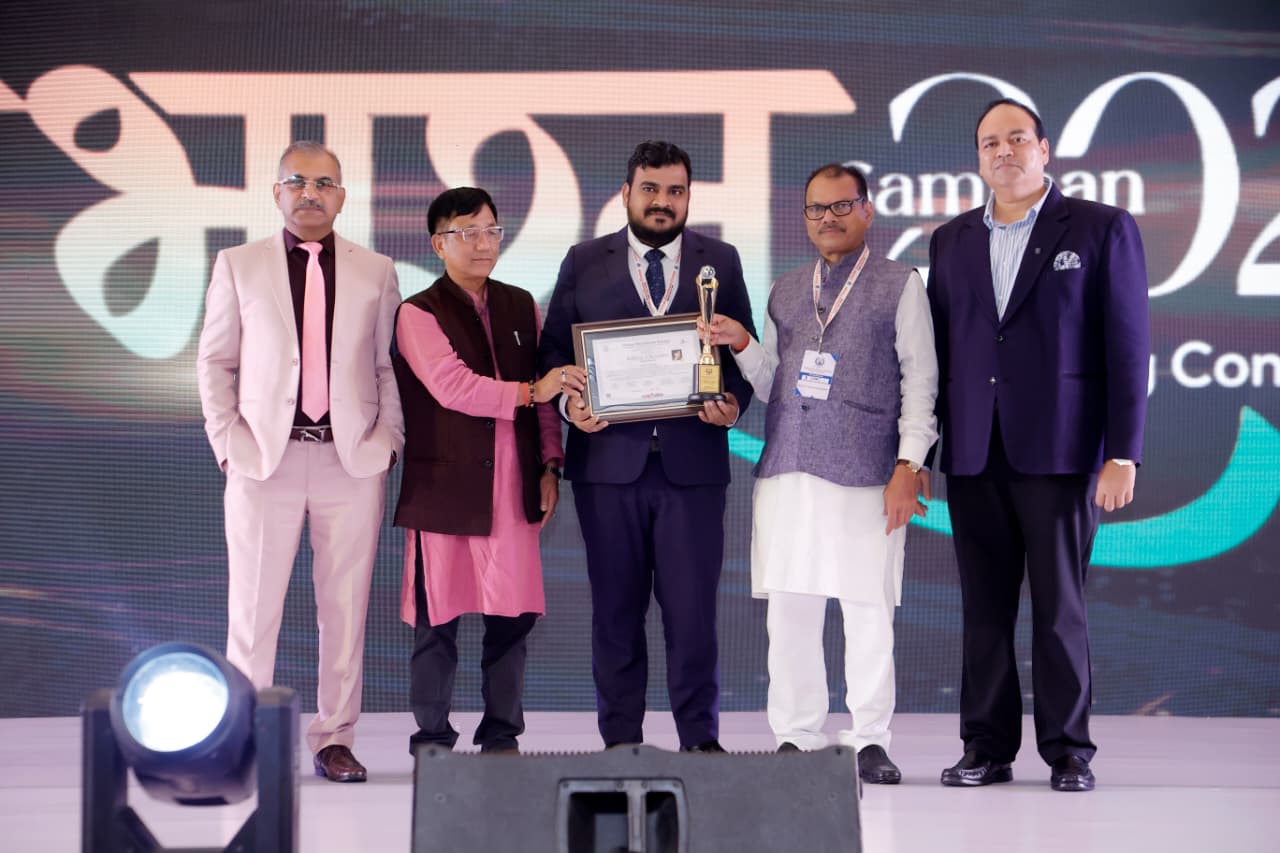


By – Dr Geetika Jasal, Medical Spokesperson, Cryoviva Life Sciences
For decades, people living with Type 1 diabetes have depended on insulin injections and continuous glucose monitoring to manage their condition. However, advances in regenerative medicine are raising an important question: could stem cells eventually help the body produce insulin naturally again?
According to the International Diabetes Federation’s 2025 estimates, approximately 9.2 million people worldwide were living with Type 1 diabetes in 2024, including around 1.8 million children and adolescents. With the condition requiring lifelong management, researchers are exploring therapies that could address the underlying loss of insulin-producing cells.
Why Does Type 1 Diabetes Require Lifelong Insulin?
Type 1 diabetes develops when the immune system mistakenly attacks pancreatic beta cells, which are responsible for producing insulin. Without sufficient insulin, glucose accumulates in the bloodstream, increasing the risk of serious complications.
Although insulin therapy helps control blood glucose levels, it cannot fully replicate the body’s natural glucose-regulating mechanism.This limitation has encouraged researchers to investigate whether functional insulin-producing cells can be created using stem cell technologypotentially restore the body’s ability to produce insulin.
A Clinical Study Offers Encouraging Findings
A significant development emerged in June 2025 when researchers published results from a Phase 1–2 clinical trial in the New England Journal of Medicine.
The study evaluated an experimental stem cell-derived islet-cell therapy called zimislecel.The therapy involves laboratory-produced, fully differentiated pancreatic islet cells derived from stem cells, which are infused into the patient to restore insulin-producing function.Among 12 participants who received the full treatment dose, 10 achieved insulin independence after one year. All 12 participants avoided severe hypoglycaemic episodes during the specified evaluation period and maintained HbA1c levels below 7%.
The findings suggest that laboratory-produced pancreatic islet cells may potentially restore insulin secretion in selected patients.However, the trial involved a small number of participants, and the treatment required immunosuppressive medication.
What Challenges Remain?
One major challenge is preventing the immune system from attacking transplanted cells. Researchers are investigating cell-encapsulation techniques and immune-protective approaches that could potentially reduce the need for long-term immunosuppression.Scientists must also establish long-term safety, durability and effectiveness across larger patient populations.
Importantly, experimental insulin-producing islet cells are different from the blood-forming stem cells commonly collected during umbilical cord blood banking.Cord blood primarily contains haematopoietic stem cells, whereas the experimental therapy uses stem cells that have been differentiated into pancreatic islet cells.
Could This Transform Diabetes Care?
Regenerative medicine represents a promising direction in diabetes research, potentially moving treatment beyond glucose management towards restoring biological function.However, stem cell-derived islet therapy remains investigational and is not a routinely available cure.
For individuals living with Type 1 diabetes, these developments offer a glimpse into future treatment possibilities while reinforcing the importance of established insulin therapy, continuous glucose monitoring where appropriate and specialist medical care today.
Reference URL Links
https://www.nejm.org/doi/10.1056/NEJMoa2506549?utm_