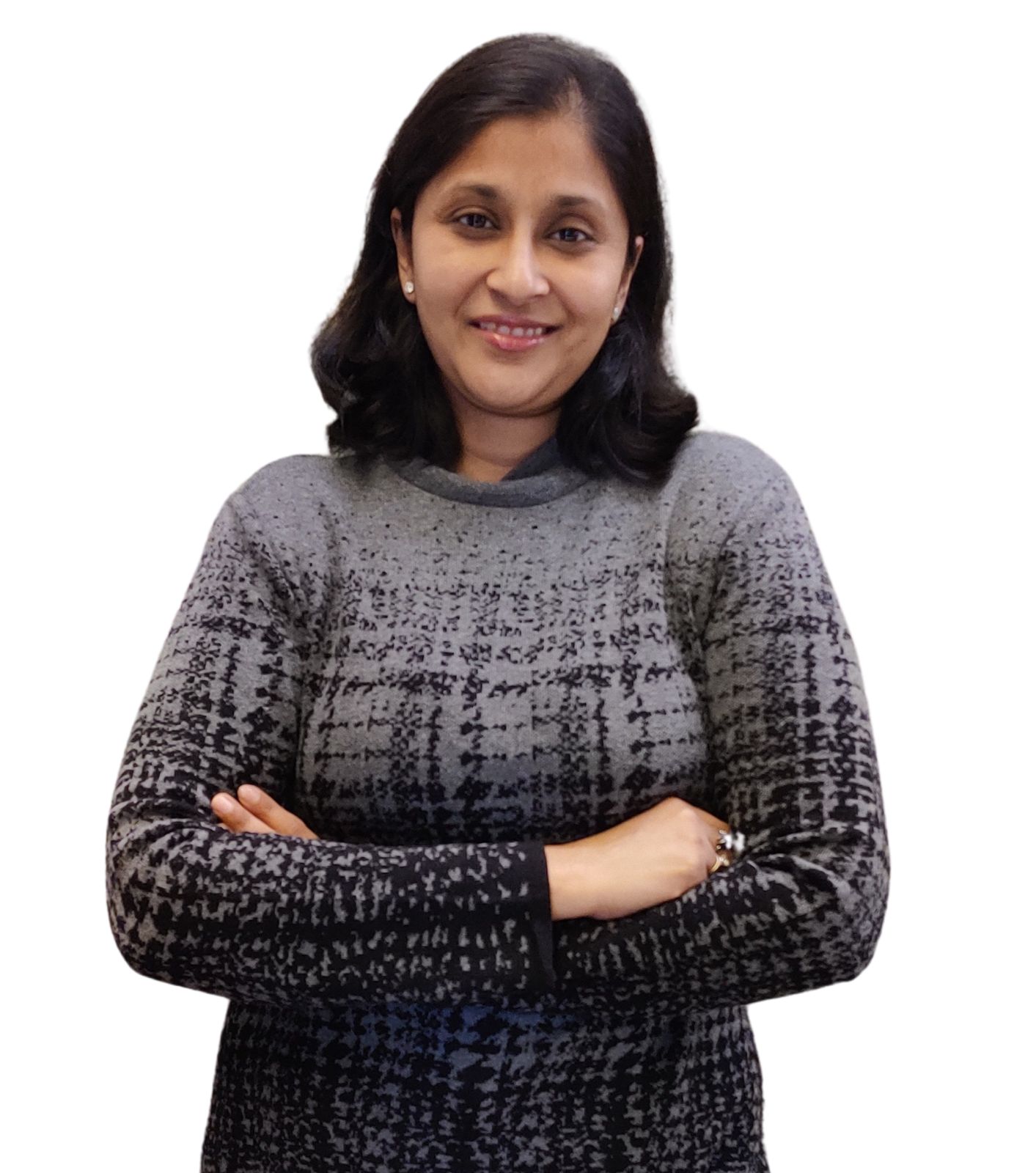

By- Dr. Pavithra .M R
Assistant Professor,Easwari School of Liberal Arts, SRM University – AP
As machines become more intelligent, the qualities that make us human will define the future.
A few years ago, asking a machine to write an essay, compose music, design a logo or answer complex questions sounded like the plot of a science fiction movie. Today, it has become an everyday reality. Artificial Intelligence (AI) writes emails, translates languages, analyses medical reports, creates presentations, generates software code and even assists in legal and financial decisions. Every week seems to bring another breakthrough, making AI faster, smarter and more capable than before.
With every new advancement comes the inevitable question: “Will AI replace humans?”
The anxiety is understandable. Throughout history, technological revolutions have transformed industries and displaced certain jobs. The steam engine replaced manual labour. Computers reduced paperwork. Automation reshaped manufacturing. AI is simply the latest chapter in this ongoing story.But perhaps we are asking the wrong question.Instead of worrying about what AI can do, we should ask what humans can do that AI never truly can. Because the future will not belong to those who compete with machines at machine-like tasks. It will belong to those who master the uniquely human qualities that no algorithm can genuinely replicate.
Intelligence has limits but Wisdom does not
Artificial Intelligence is incredibly efficient at processing information. Give it enough data and it can identify patterns, predict trends, summarise lengthy reports and generate solutions within seconds.But wisdom is something entirely different.Wisdom is knowing when not to follow the obvious answer. It is understanding that every decision involves people, emotions, culture, ethics and consequences that cannot always be measured by numbers.
Consider a physician treating two patients with the same medical condition. AI may recommend identical treatment plans based on clinical evidence. Yet an experienced doctor also considers the patient’s emotional state, family circumstances, financial limitations and personal preferences before making a decision.That ability to balance knowledge with compassion, experience and judgement is wisdom. It cannot be downloaded, automated or programmed.
Empathy remains uniquely human
One of the greatest strengths of human beings is the ability to connect emotionally with others.A teacher notices that a usually energetic student has become unusually quiet. A colleague senses that a teammate is struggling despite insisting that everything is fine. A nurse reassures a frightened patient with a gentle smile before a difficult procedure.These moments rarely make headlines, yet they shape lives.AI can recognise emotional patterns and generate comforting words but it does not feel concern, kindness, disappointment or joy. It does not celebrate success with genuine happiness or sit beside someone in silence when words are not enough.Human relationships are built on shared experiences and authentic emotions. Empathy is not merely responding correctly; it is caring sincerely.As technology becomes more integrated into our lives, empathy will become even more valuablenot less.
Creativity is more than generating content
One of AI’s most impressive abilities is creating content. It can write poems, compose music, generate paintings and design advertisements within minutes.Yet creativity is far more than producing something new.True creativity begins with curiosity. It emerges from lived experiences, personal struggles, cultural influences, unexpected failures and moments of inspiration. It challenges assumptions instead of merely reorganising existing information.History’s greatest innovations were born because someone imagined possibilities others dismissed. The airplane, the internet, life-saving vaccines and countless artistic masterpieces all began with a simple but powerful question: “What if?”Machines can assist creative work but they cannot dream, wonder or imagine the future in the way human beings can.Innovation will always begin with human curiosity.
Ethics cannot be outsourced
AI can recommend decisions but it cannot bear responsibility for them.Imagine a self-driving vehicle forced to make a split-second decision during an unavoidable accident. Or an AI system screening job applicants, approving bank loans or assisting judges in legal proceedings.The technical challenge is only part of the equation but the real challenge is ethical.Fairness, accountability, transparency and justice cannot be reduced to mathematical formulas. They require moral reasoning that reflects society’s values.Technology tells us what is possible but humans decide what is acceptable.The more powerful AI becomes, the more important ethical leadership will become.
Leadership is about inspiring people
Many organisations are investing heavily in AI-powered decision-making tools. These systems can forecast demand, monitor productivity and optimise business operations.What they cannot do is inspire people.Great leaders build trust during uncertainty. They unite diverse teams around a common purpose. They resolve conflicts with patience, encourage innovation after failure and motivate people to achieve goals they once thought impossible.Employees rarely remember a leader because every business decision was perfect. They remember leaders who believed in them, listened to them and helped them grow.Leadership is ultimately about peopleand not processes that will never change.
Communication goes beyond words
Language is one of AI’s greatest strengths. It can draft reports, translate documents and answer questions with remarkable fluency.But meaningful communication involves much more than choosing the right words.It includes reading body language, recognising hesitation, understanding cultural differences, sensing emotions and knowing when silence is more powerful than speech.A heartfelt apology, a motivational speech or a comforting conversation derives its impact from authenticity rather than vocabulary.People do not simply remember what we say.They remember how we make them feel.
Lifelong learning is the new competitive advantage
One lesson from every technological revolution is clear, those who continue learning continue growing.The careers of tomorrow may look very different from those of today. Many jobs will evolve, some will disappear and entirely new professions will emerge.Rather than fearing this change, we should embrace it.The most valuable professionals of the future will not necessarily be those with the highest IQ or the most advanced technical expertise. They will be those who remain curious, adaptable and willing to learn throughout their lives.Learning is no longer something we complete in our twenties.It has become a lifelong commitment.
AI is a partner and not a rival
Perhaps the biggest mistake we make is treating AI as an opponent.History shows that technology usually creates new opportunities alongside new challenges. Calculators did not eliminate mathematicians. Search engines did not eliminate teachers. Medical imaging software did not replace doctors.Instead, professionals learned to use these tools to improve their work.The same principle applies to AI.Teachers can personalise learning while focusing on mentoring students. Doctors can spend less time analysing reports and more time caring for patients. Journalists can analyse vast amounts of information while continuing to investigate, question and tell stories that matter.The future belongs neither to humans nor to machines alone.It belongs to those who know how to combine the strengths of both.
Our humanity is our greatest strength
Artificial Intelligence will undoubtedly continue to evolve. It will become faster, more accurate and more capable with each passing year. It will transform industries, reshape careers and redefine the way we work.Yet amid all this technological progress, one truth remains constant.The qualities that have shaped civilisation for centurieskindness, integrity, imagination, courage, empathy, curiosity and wisdomcannot be automated.These are the qualities that build families, strengthen communities, inspire innovation and create lasting change.
In the years ahead, technical skills will remain important but they will no longer be enough. The people who thrive will be those who combine technological competence with emotional intelligence, ethical judgement, creativity and the ability to connect with others.Artificial Intelligence may become smarter every year.Our responsibility is to become wiser, kinder and more human.Because in a future powered by machines, the greatest advantage we possess will not be our ability to think like computers. It will be our ability to do what computers never canto care, to imagine, to inspire and to lead with humanity.