
Organised in association with the Ministry of Culture, the two-day festival featured art, literary discussions, traditional attire and folk performances
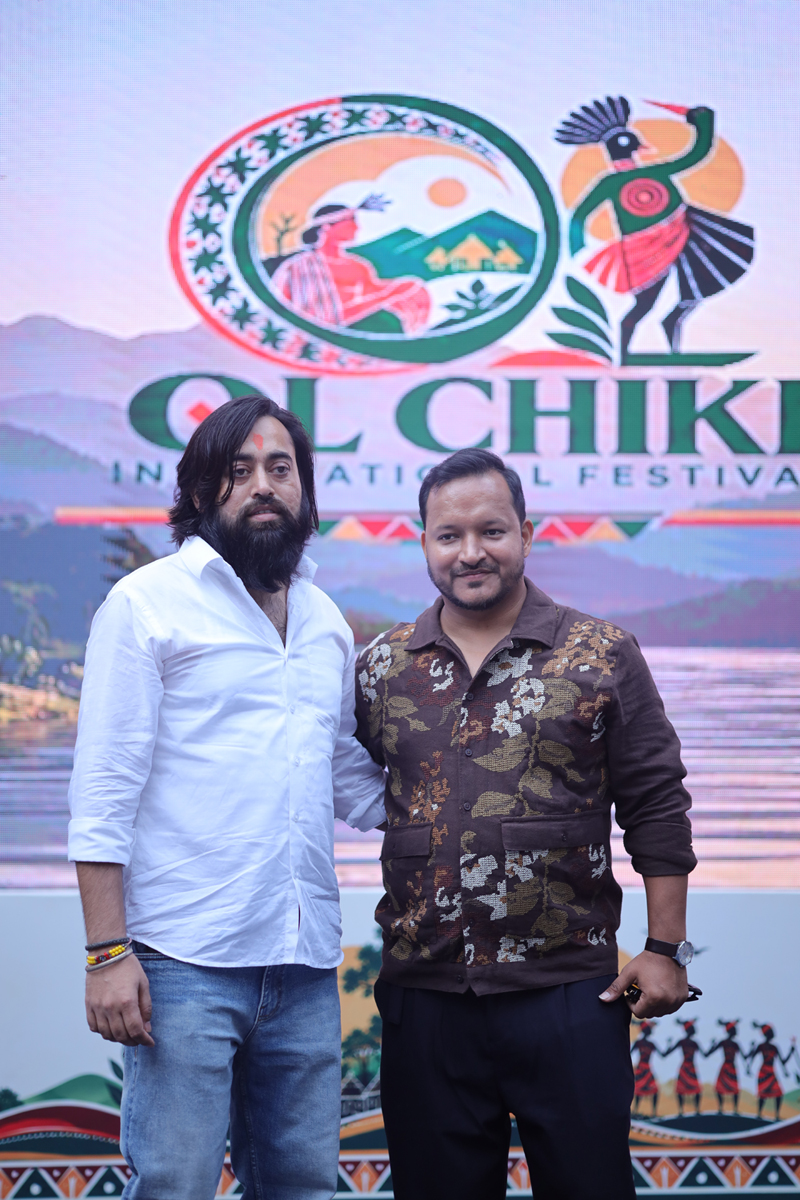
New Delhi, [India], 28 September 2026: The Ol Chiki International Festival concluded at India Habitat Centre on Sunday after two days of programmes celebrating the Santhali script and India’s tribal cultural traditions. Presented by Kabila Foundation in association with the Ministry of Culture, Government of India, the festival was managed by Xeel Events.
The festival brought together artists, students and cultural practitioners around the theme “Script | People | Culture | A Shared Tomorrow.” Its focus was Ol Chiki, the script developed by Pandit Raghunath Murmu in 1925 for the Santhali language. A century later, the organisers sought to connect its history with the art, stories and performances through which communities continue to express their identity.
A tribal art workshop for students opened the programme on 26 September. It was followed by a book and panel discussion on Ol Chiki and an audiovisual presentation on the script’s journey. Prof. (Dr.) K. G. Suresh attended as chief guest. The evening brought the Heritage Guardians Awards and performances by Neeraj Arya, Pramod and Sahil, and Mantash Band.
“Ol Chiki carries the language, stories and identity of a community. We wanted young people to encounter that heritage directly and meet the artists and cultural traditions that keep it alive,” said Vijay Rawat, Founder, Kabila Foundation.
The programme on 27 September featured tribal and folk attire from different states, along with a music, dance and drama presentation dedicated to Pandit Raghunath Murmu’s legacy. A folk music festival closed the two-day event.
“Every element of the festival was intended to bring audiences closer to the culture—from a student’s first experience of tribal art to the music and attire presented on stage,” said Himanshu Rajput, Founder, Xeel Events.
The festival formed part of a wider effort to bring greater public attention to Ol Chiki and to the communities preserving India’s tribal languages and cultural traditions.